
Vaping Has Not Been "Officially Classified" as a Cause of Irreversible Damage, but It Harms the Lungs
A post with 165,000 likes exaggerates when it mentions an official classification. Studies and health authorities confirm that e-cigarettes damage the airways
Automatically translated from Portuguese. Read the original in Portuguese
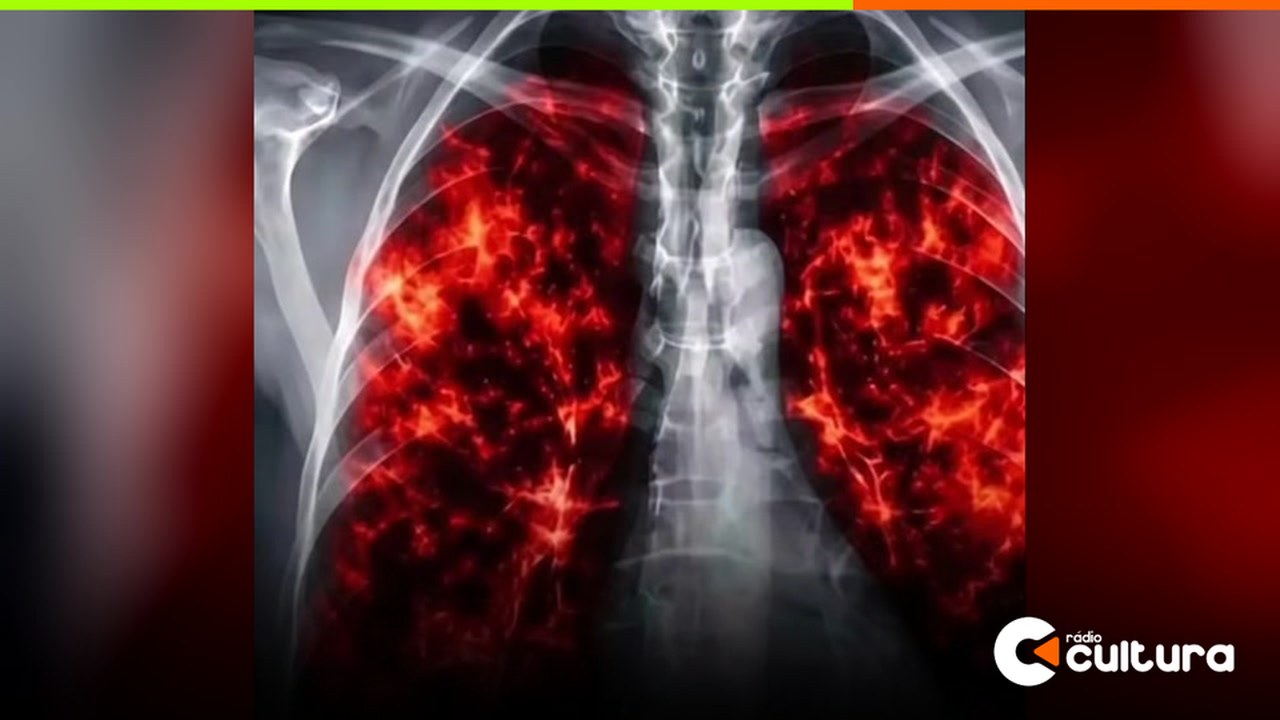
A video posted on Instagram on November 20, which already has more than 165,000 likes, claims that "vaping is now officially classified as a cause of irreversible lung damage". The claim does not hold up: no health authority, such as the World Health Organization (WHO, Organização Mundial da Saúde), the Ministry of Health (Ministério da Saúde) or Anvisa, has published a classification with this wording. The warning behind the post, however, has a scientific basis.
The post itself gets the risks right when it lists them. E-cigarette aerosol can carry nicotine, ultrafine particles, metals and other chemicals that irritate the airways. Coughing, throat irritation, shortness of breath and inflammation are among the effects described by doctors.
What the Studies Show
The most serious documented case is EVALI, the acronym for e-cigarette, or vaping, product use-associated lung injury. Between 2019 and February 2020, the U.S. Centers for Disease Control and Prevention (CDC, Centro de Controle e Prevenção de Doenças dos Estados Unidos) recorded 2,807 hospitalizations and 68 deaths linked to the problem, most of them among young people.
In 2022, researchers at Massachusetts General Hospital (Hospital Geral de Massachusetts), affiliated with Harvard University (Universidade Harvard), followed four frequent vape users with injuries to the small airways of the lungs. Three improved after quitting, but the doctors pointed to scarring that rarely disappears completely. This October, a study from National Jewish Health, also in the United States, showed in the laboratory that vapor damages human lung cells. The authors themselves treat the result as preliminary.
Another disease frequently mentioned is bronchiolitis obliterans, known as "popcorn lung," which is irreversible. It is linked to diacetyl, a flavoring found in some vape liquids, but the direct relationship with e-cigarettes is still being studied.
Banned in Brazil
In Brazil, the sale, import and advertising of e-cigarettes have been banned by Anvisa since 2009. In April 2024, the agency reviewed the issue and kept the ban. Even so, the devices are sold illegally and have become popular among teenagers, a stage when nicotine causes addiction more easily because the brain is still developing.
Anyone who wants to quit smoking, whether regular cigarettes or e-cigarettes, can go to a Basic Health Unit (Unidade Básica de Saúde). The Unified Health System (SUS, Sistema Único de Saúde) offers free treatment, with follow-up and, when necessary, medication.
Sources: CDC, Massachusetts General Hospital, National Jewish Health and Anvisa. Image: screenshot from Instagram/@explicandobiologias, shared by @ministro_nacozinha.
0001465 · 02251126